Interview with Laura Angelia, full-time solo creator and practical tech tester — Can an insta360 camera Really Do It All?
Why did you test this particular insta360 camera and what were you hoping to learn?
I've been a full-time solo creator since 2020, and I test everyday tech with one filter: practicality. I kept buying new cameras hoping each would be "the one"—the camera I could carry everywhere without compromise. The problem is, every camera forces you into trade-offs. Big cameras mean better image and low-light performance but they also mean fewer moments captured because you won’t pull them out. Smaller action cameras are portable but sometimes lack flexibility or battery life. So when the insta360 X5 Ultra landed in my hands, I wanted to find out whether an insta360 camera this small could finally balance comfort, speed, and image quality in real life. Two months of testing later, I focused on four practical pillars: portability, image quality, durability, and workflow (does it make creating fun or a chore?).
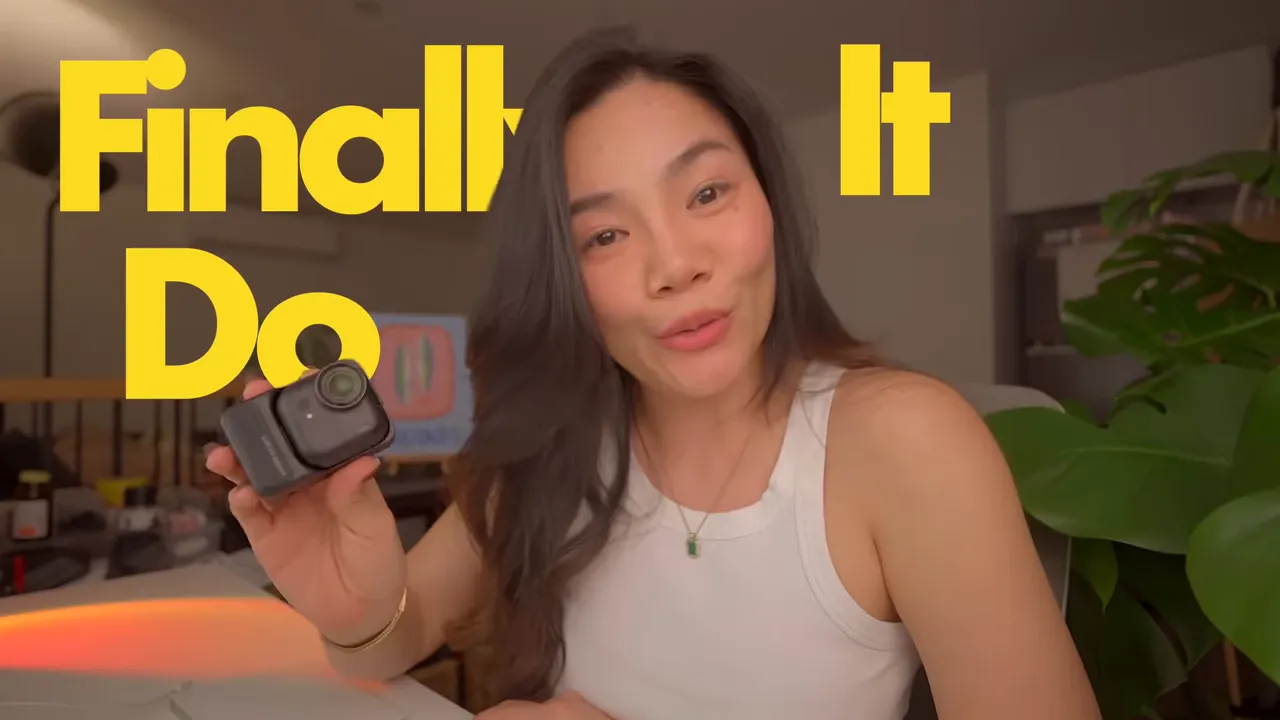
How important is portability when you choose an insta360 camera for vlogging?
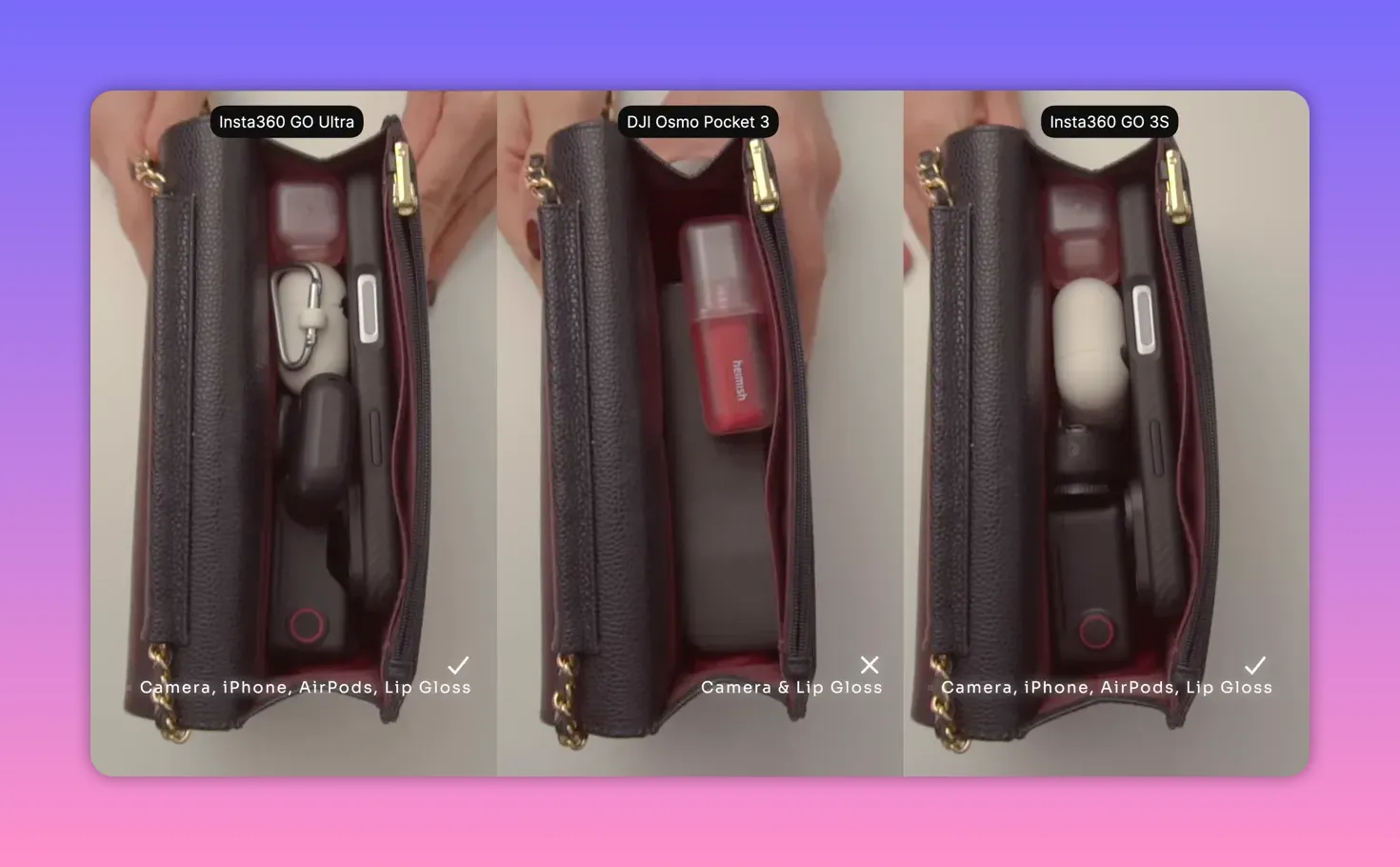
Portability is everything. As creators, the best camera is the one you actually use. A $5,000 rig is useless if you feel awkward pulling it out on the street; conversely, a discreet insta360 camera is useful only if it doesn't compromise on footage quality and battery life. The X5 Ultra hits a sweet spot for me: it's not pill-sized tiny, but it's compact enough to slip into my smallest purse next to my phone, lip gloss, and AirPods. That low friction—being able to carry it comfortably without feeling self-conscious—means I reach for it throughout the day, and that’s the single biggest enabler for capturing more moments.
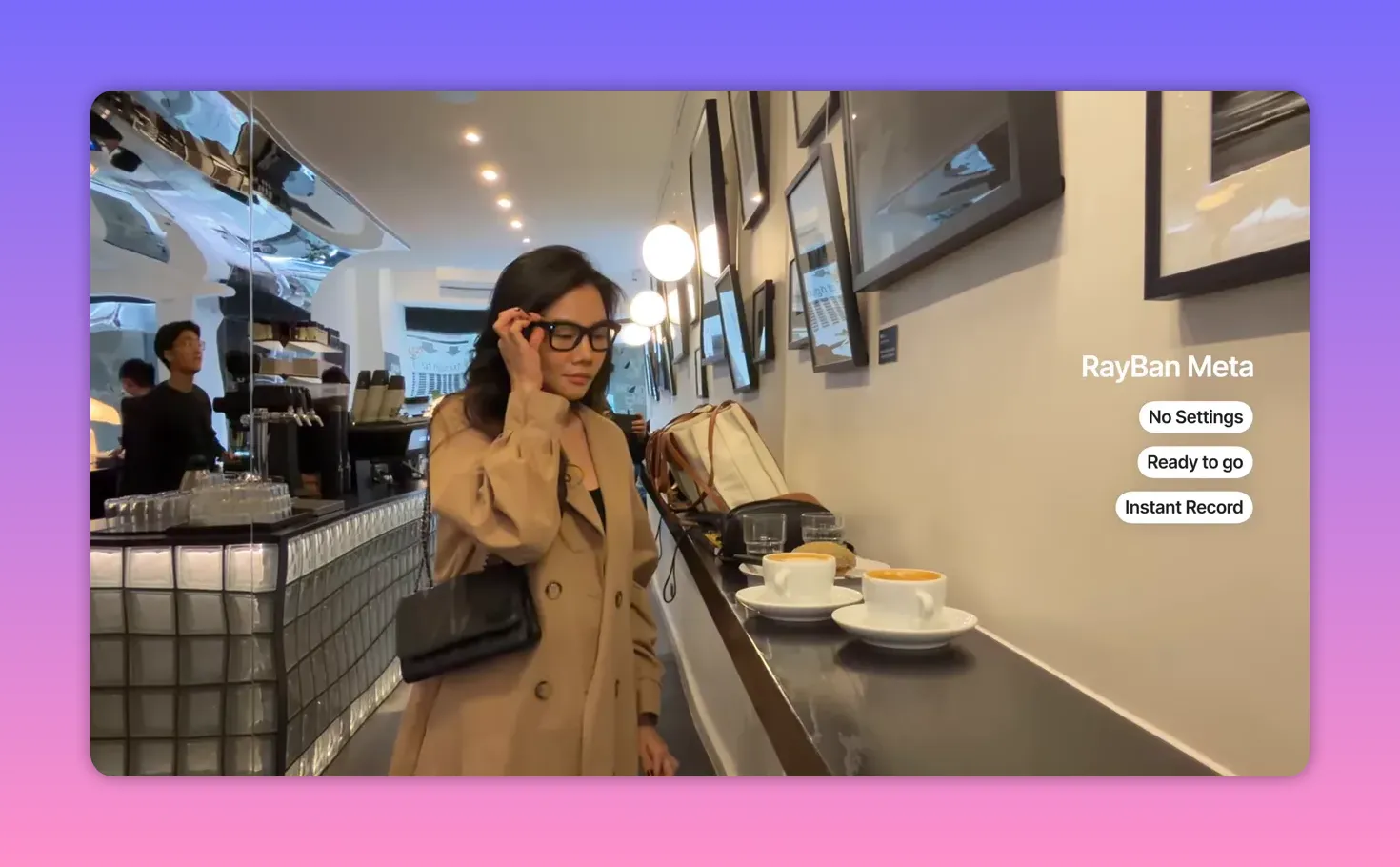
How does the X5 Ultra compare for POV and hands-free shooting versus alternatives like smart glasses?
Convenience-wise, smart glasses such as the Ray-Ban Meta are unbeatable: zero settings, instant capture, natural POV. But they come with clear trade-offs—limited resolution and fixed vertical modes, short clip lengths, and comfort issues if worn long. An insta360 camera like the X5 Ultra sits between extremes: it’s only a second slower to start, but you can wear it on a magnetic pendant for POV shots or stick it to surfaces. That extra control plus the better image quality makes it more versatile than wearable glasses for everyday filmmaking while still being comfortable enough to use anytime.
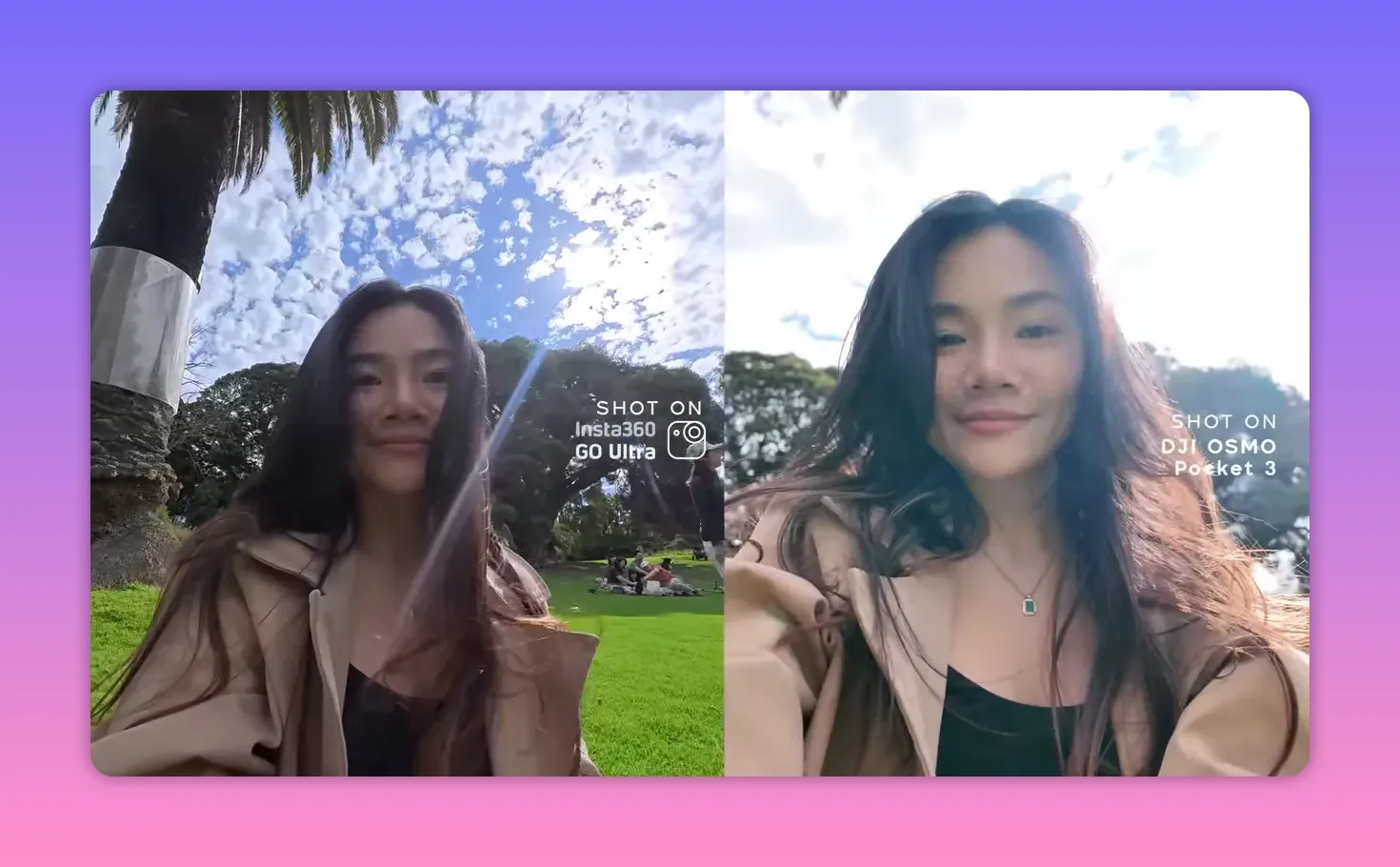
Does the image quality of this small insta360 camera actually hold up?
Yes—surprisingly well. The X5 Ultra records at noticeably higher quality than previous tiny action models. It handles bright-to-dark transitions better and retains color in high-contrast scenes. Compared to pocket-sized gimbal cameras, the X5 Ultra often retains color and contrast more faithfully and the wider field of view makes it ideal for landscapes, interiors, and dynamic movement. Stabilization is strong for everyday motion—walking, travel, even some sports—thanks in part to the ultra-wide lens that reduces the appearance of shake.
What is the main limitation to be aware of with the X5 Ultra's optics?
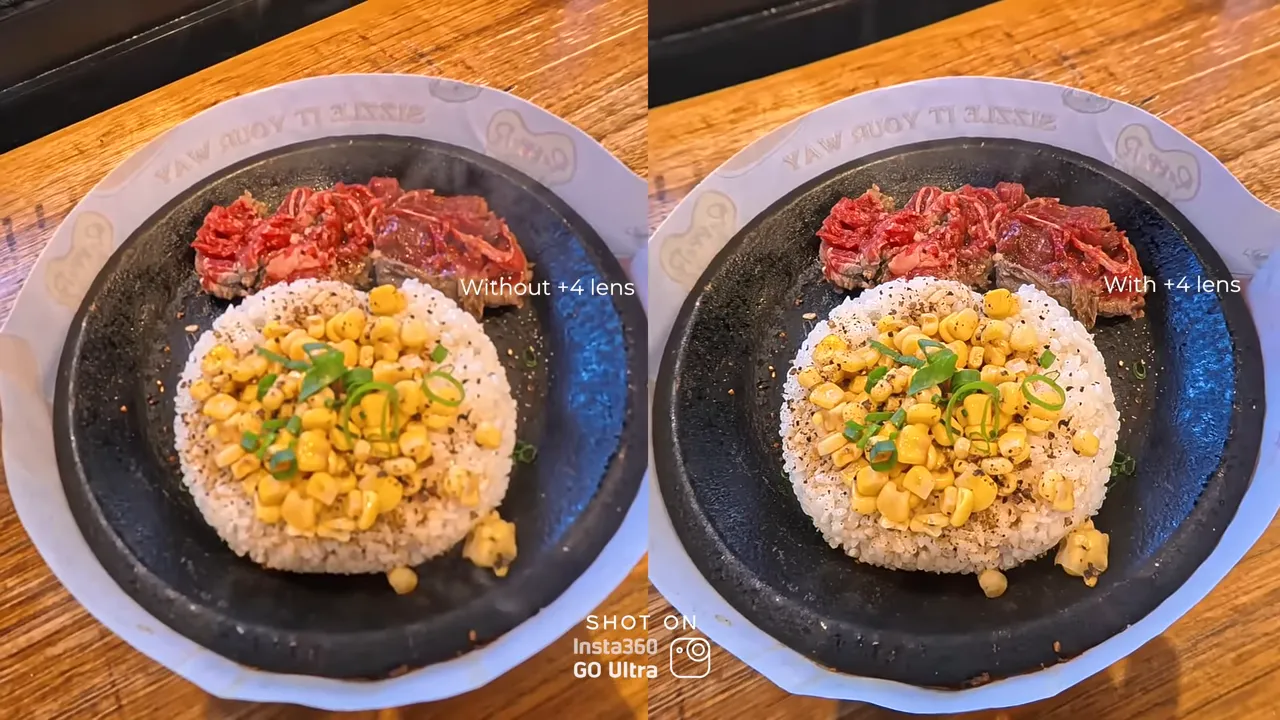
Action-style insta360 camera lenses prioritize depth of field, so they keep everything sharp from foreground to background. That’s great for vlogging, travel, and POV shots—but not for close-up product detail or shallow-depth portraits. Because the X5 Ultra has a very wide field of view, its minimum focus distance is pushed further away, so food shots and tight product details can look flat or distant. For creators who need crisp close-ups, this is the one friction point.
Is there a practical workaround for the close-up limitation?
Yes—two solutions, one official and one DIY hack. Insta360 offers a macro accessory kit that includes a small macro lens and clip for close-ups. That solves many food and product-shot scenarios. I also tested a community-designed adapter that lets you mount common 37mm macro lenses. My favorite was the +4 macro lens paired with a simple adapter: it brings the subject into sharp focus without needing to crowd the lens and it also adds a pleasing background separation. The trade-off is carrying an extra lens and a slightly bulkier setup, but I prefer that to juggling two separate cameras.
How does the X5 Ultra perform in low light compared to larger-sensor pocket cameras?
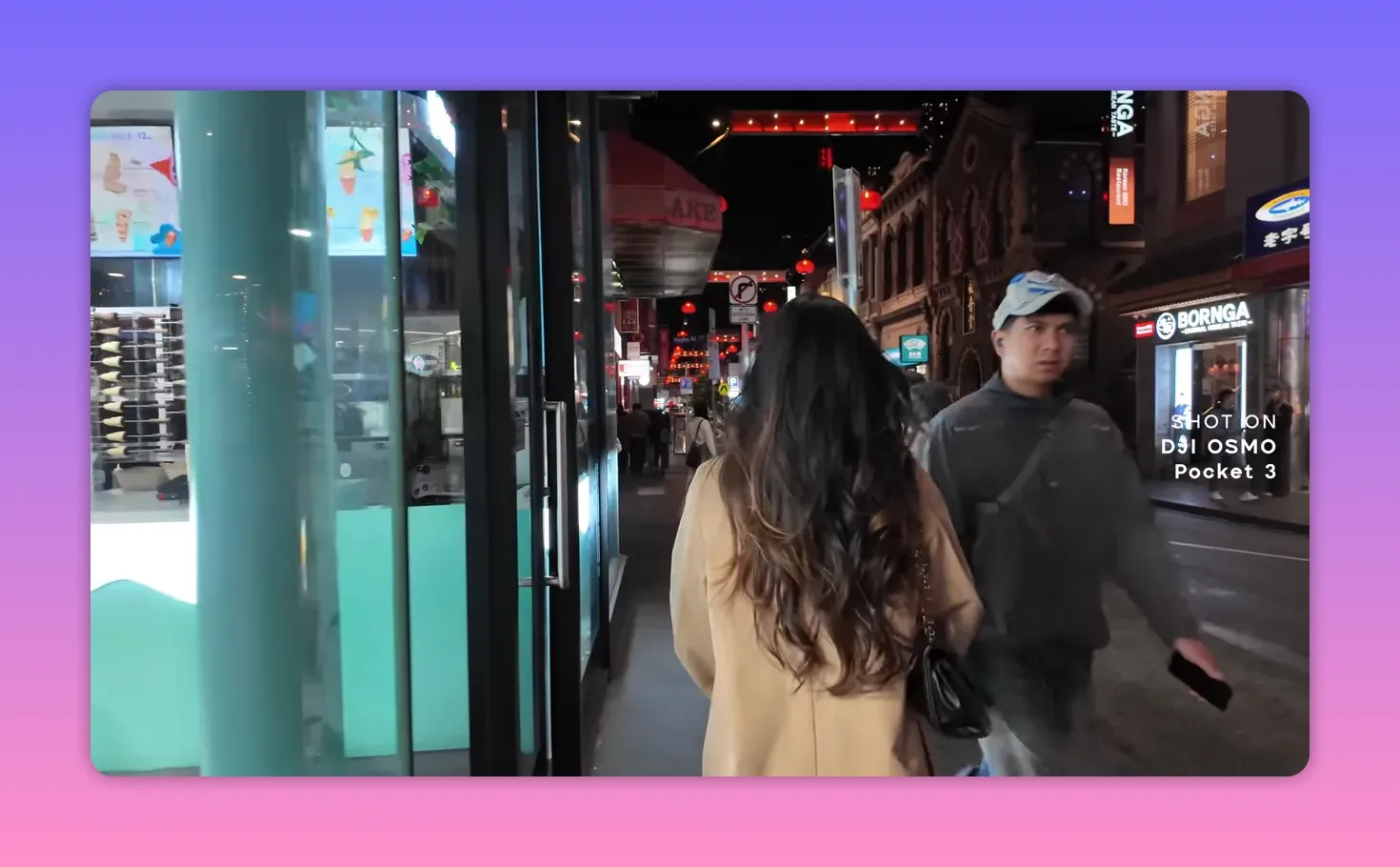
In low light, larger-sensor cameras—like the Osmo Pocket 3—retain more fine detail due to better light-gathering. That said, color handling and noise control on the X5 Ultra have improved a lot. I found its color rendition slightly warmer and more flattering in skin tones, and the new PureVideo mode is a meaningful improvement over older firmware. While it's not a substitute for a bigger sensor if you need cinematic low-light footage every time, the X5 Ultra is absolutely usable for casual night vlogs and indoor scenes, and its compact size makes me more likely to carry it on late-night outings.
What are the X5 Ultra's standout features that made you "fall in love" with it?
There are four practical features that changed my workflow:
- Vertical-friendly framing: The ultra-wide lens makes turning the camera on its side for vertical clips extremely forgiving. You get more in the frame, which is perfect for Reels, Shorts, and Stories.
- 4K clarity zoom: The in-camera clarity zoom keeps detail better than zooming digitally in post—great when you need to crop for social without losing texture.
- High-quality time-lapse: Time-lapses look natural straight out of the camera now—better color and contrast means I don't need to shoot regular video and speed it up in editing.
- Built-in stabilization that replaces the need for a gimbal on most days: With the wide field of view and good stabilization, I stopped carrying a gimbal for everyday vlogging. Less gear means I film more.
How is the audio on the X5 Ultra—can people actually hear you?
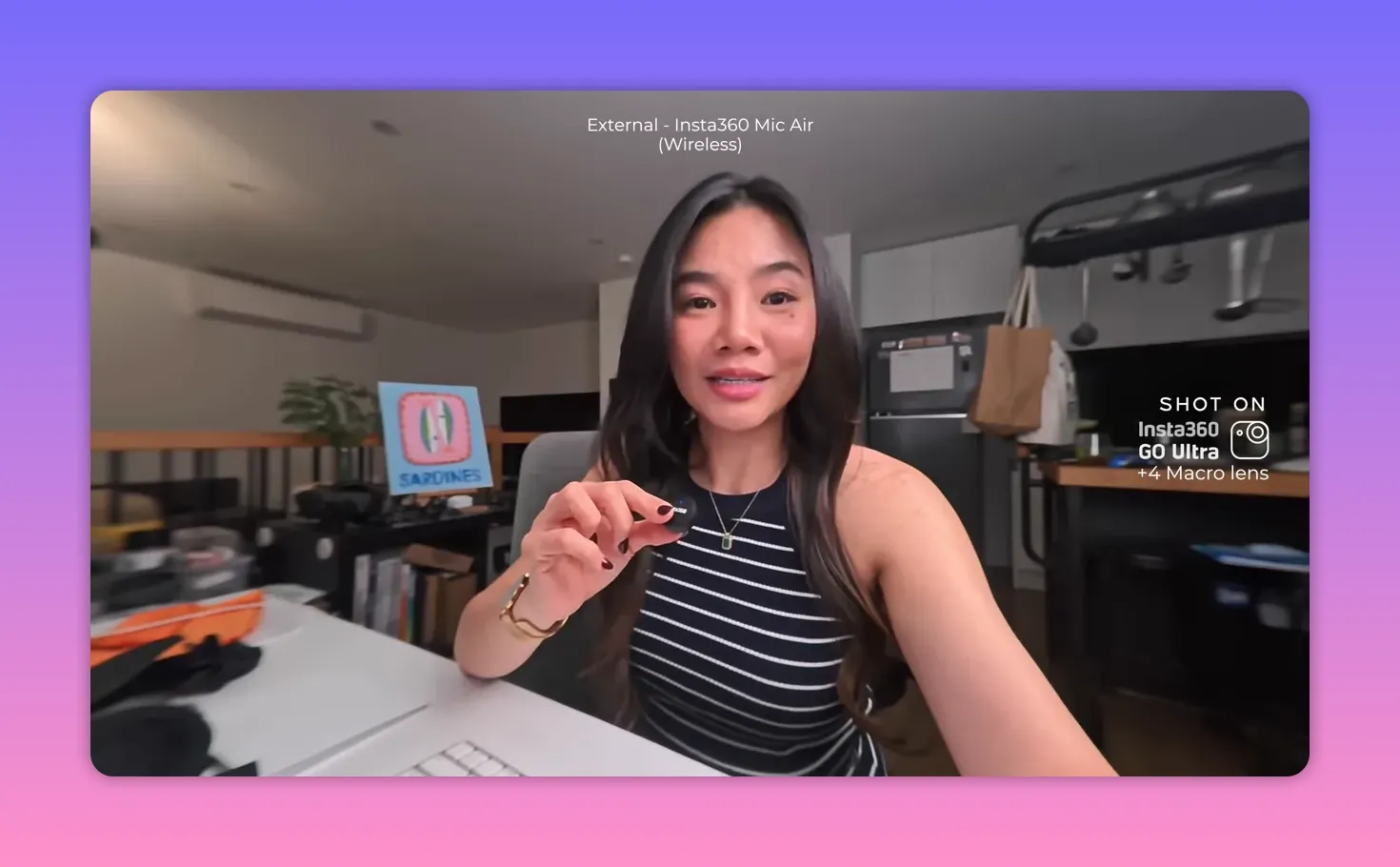
Audio on small cameras is always a compromise. The X5 Ultra records clean, usable audio for most vlogging situations: conversations, narration, and run-and-gun scenes. It doesn't record 32-bit float stereo audio like some pocket gimbal cameras, so if you're doing high-end interviews or complex audio environments, you might prefer a dedicated audio recorder. The weak spot is when the camera isn't pointed at you in noisy places—your voice can become muffled. The practical fix is a small external mic: the Insta360 Mic Air finally works wirelessly with the X5 Ultra after a firmware update, which unlocked a compact, true wireless lav solution that integrates neatly with my workflow.
Tell me about battery life and overheating—did the X5 Ultra survive long shoots?
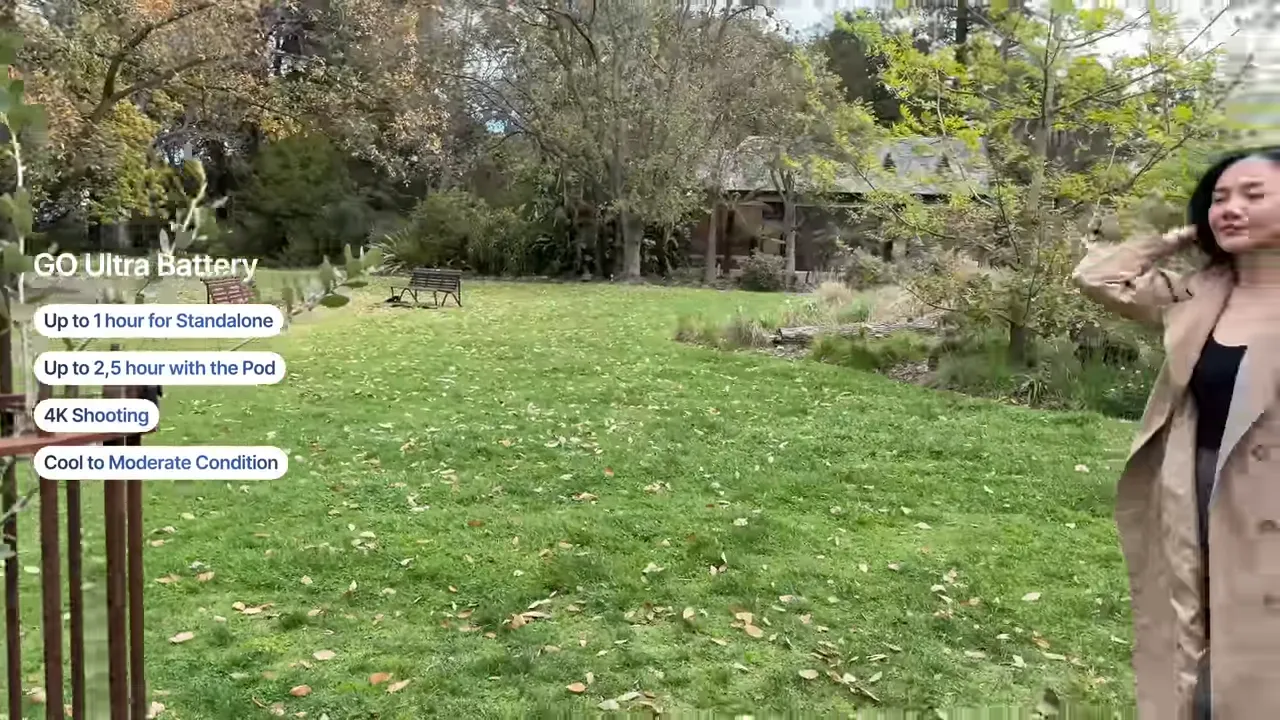
On camera alone, you can expect about an hour of continuous 4K recording. Docked inside its action pod, the camera stretches to roughly 2.5 hours of non-stop 4K, which is comparable to many compact alternatives. The pod both charges and acts as a remote and screen, which makes it indispensable for longer shoots. Overheating hasn’t been a problem in my winter testing, but summer use will be the real stress test. One practical tip: don’t constantly dock the camera after every short clip. The action pod automatically charges the camera when docked, and repeatedly docking after short bursts drains the pod faster. If you separate the camera and the pod and only dock for top-ups, battery life across a day improves dramatically.
Is the X5 Ultra rugged enough for real life—travel, drops, and weather?
Yes. Insta360 has a track record for tough little cameras, and the X5 Ultra follows that lineage. It’s waterproof and shock-resistant, which makes it a reliable adventure companion. I didn't deliberately torture-test it to extremes, but prior models in the line survived snowy climbs and hot spring dips. Expect it to hold up to regular knocks and drops. My only practical caution: consider buying an extra lens guard—it's the expendable part that takes the brunt of drops.
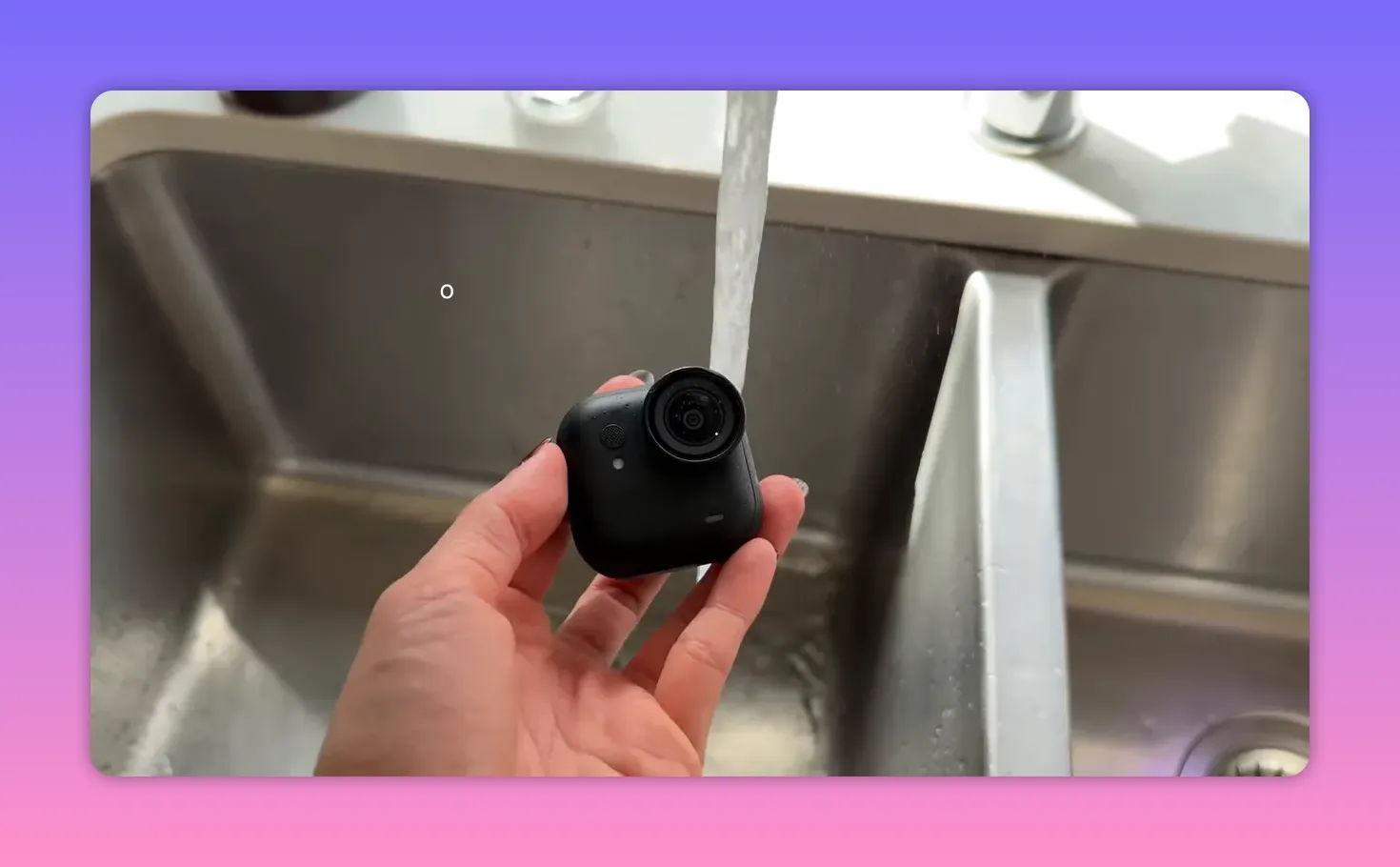
How versatile are the mounting and accessory options for this insta360 camera?
Insta360 ships a strong starter bundle—magnet pendant, pivot stand, and quick-release mount—and there are dozens of official mounts beyond that. Practically speaking, the magnetic pendant is my go-to for POV shots. The pivot stand lets me place the camera on odd surfaces; the quick-release is essential for using action tripods. My personal top accessories include the pocket flexi mount (magnetic + sticky), the flexi strap mount (strap it to railings, bag straps, tree branches), and a magic arm for creative clamping shots. These accessories are what transform an insta360 camera from "nice to have" to "do-it-all" in real life—just be ready for the accessory budget to add up if you want full versatility.
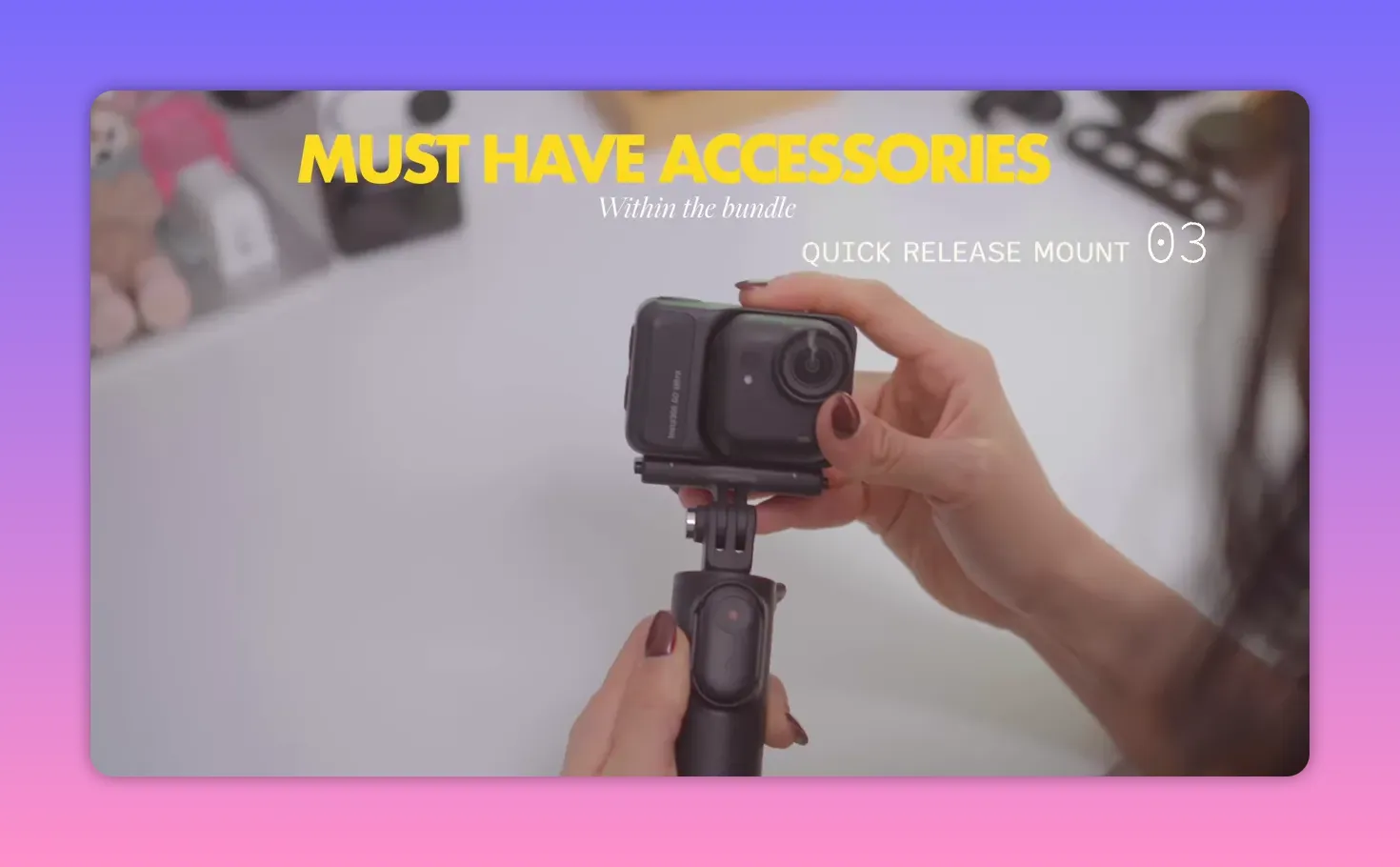
Which accessories do you actually carry for daily solo vlogging?
For everyday vlogging my compact kit is: the macro lens for occasional close-ups, the pocket flexi mount for chest pendant adjustments, and the flexi strap mount for quick attachment points. For travel or adventurous shoots I add the magic arm, a 2-in-1 mini tripod, sticky tabs, and a safety cord. Those extras are small but they’re lifesavers in unpredictable scenarios like fast-paced travel or action shots where you need a secure attachment at odd angles.
Does the X5 Ultra justify its price, considering the accessory ecosystem?
The camera itself is competitively priced compared to what you're getting: versatile shooting modes, strong image stabilization, and a compact workflow. The real cost creep comes from accessories: insta360 makes dozens of specialized mounts, and buying many of them adds up. My recommendation: pick a bundle that includes the essentials (magnet pendant, pivot stand, quick release) and only add accessories as specific needs arise. If you can, choose a creator bundle that covers most daily vlogging needs—it's better value than buying mounts piecemeal.
What exact settings do you use to get consistent results with the X5 Ultra?
I keep my setup simple and repeatable so I can hit record without overthinking. These are my go-to settings:
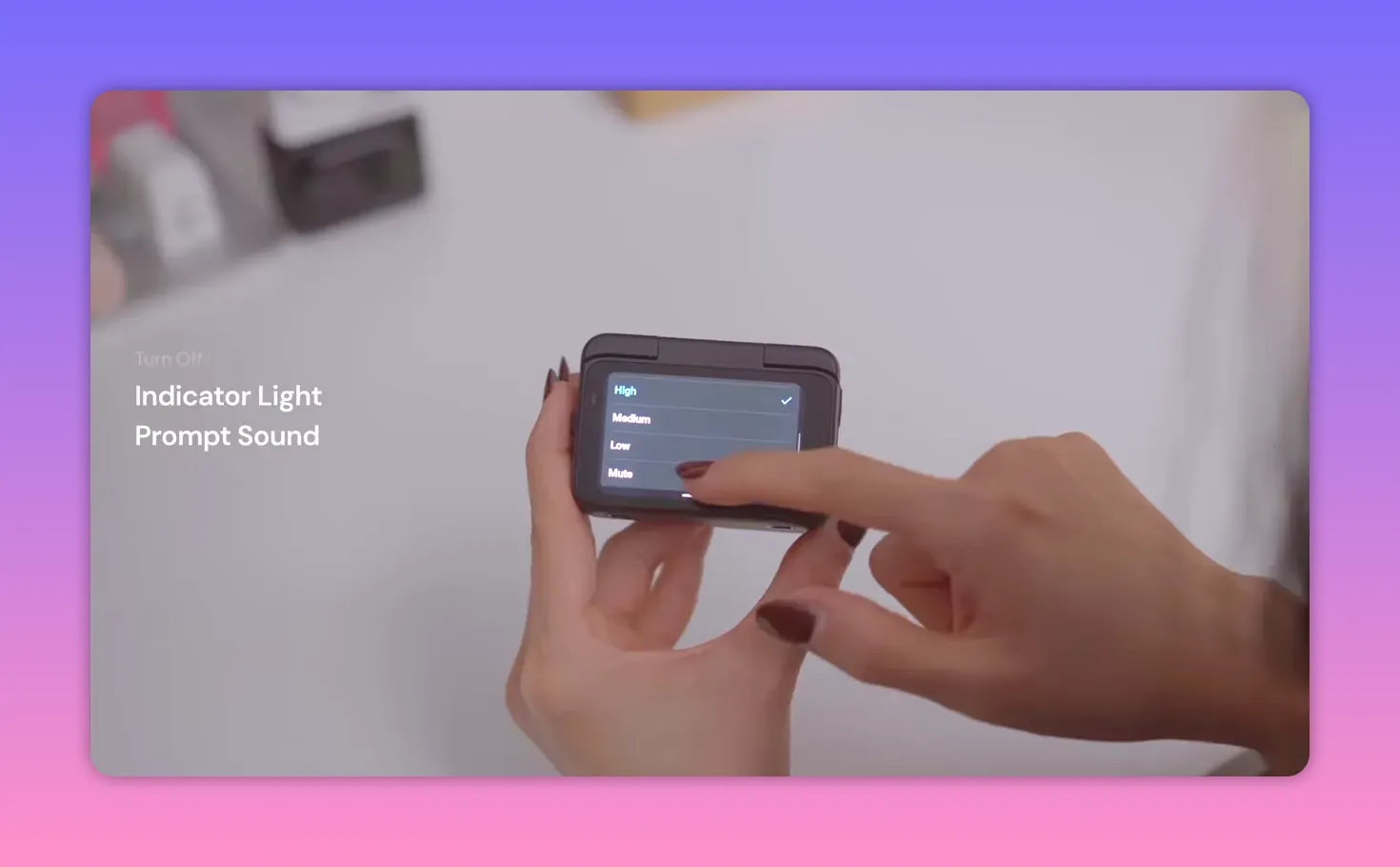
- Turn off the light indicator and button sounds so the camera is discreet when starting and stopping clips.
- Set anti-flicker to 50 Hz (or 60 Hz depending on your region) to prevent indoor lighting artifacts.
- Bump bitrate to High for sharper results—this doubles file size, so plan storage accordingly (a 512GB card gives me about 9 hours at high 4K bitrate).
- Enable Auto PureVideo so the camera automatically switches to the specialized low-light mode when needed.
- Keep the grid and level indicator enabled for cleaner composition and horizon control.
- Main recording preset: 4K/30fps for a balance of quality and smoothness.
- Enable "Find My iPhone" support to reduce the risk of losing the device—it's a small battery trade-off for peace of mind.
If someone is a shy beginner vlogger, is this insta360 camera a good first choice?
Yes—with nuance. The X5 Ultra is beginner-friendly: it’s compact, nearly instant to use, and defaults to good auto settings. The magnetic pendant makes POV filming less intrusive for shy creators, and image stabilization reduces the need to learn gimbal balancing. However, if your content demands cinematic shallow depth of field or extended low-light recording, then you'll find limitations. For the majority of new creators—travel bloggers, day-in-the-life creators, and lifestyle vloggers—this insta360 camera hits the sweet spot between "easy to start" and "good enough to grow."
Can the X5 Ultra be your one-and-only camera?
Not necessarily for everyone. If you need studio-level low-light performance, professional multi-mic audio, or unlimited close-ups, a single small camera won’t replace dedicated rigs. But the honest takeaway is this: the perfect camera doesn't exist. What does exist is a camera that is "good enough everywhere"—and for many creators, the X5 Ultra is exactly that. It doesn’t force you to choose between speed, comfort, and usable quality. For daily vlogging, travel, and spontaneous filmmaking, it often becomes the only camera you need because you actually use it more.
What practical advice do you have for creators who are waiting for "the perfect camera"?
Start now. Don’t wait for a perfect camera that does it all. Most people don’t make videos because they feel stuck or want better gear. They feel like they can’t start until everything is just right. Use what you have at the moment. Focus on your story and practice with your camera, and upgrade when your gear stops you from making the kind of content you want. A small insta360 camera like the X5 Ultra makes things easy. It’s light to carry, tough enough to last, and you can use it for many things. The camera fits into daily life without getting in the way.
Table of Contents
FAQ
Is the X5 Ultra waterproof and rugged enough for adventure use?
Yes. The camera can go in water and does not break easy. It is made to stand up to falls and being outside day after day. A lot of people have taken insta360 cameras like this up mountains, into pools, and even hot springs, and it did well. Still, if you know you drop things, cover the lens with a guard to keep it safe.
How long does the battery last on a single charge?
On the camera alone, you get about an hour of 4K recording. If you put it in the action pod, it lasts for around 2.5 hours with 4K. The pod charges the camera. It also works as a screen and a remote.
Can I use wireless mics with this insta360 camera?
Yes. The Mic Air now works without wires after a firmware update. It links with the camera. It can show you the battery level and helps cut down noise. If you need sound for work, you may still want a tool made just for recording sound, or a camera that has 32-bit float sound.
Does the X5 Ultra handle vertical video well?
Yes, the ultra-wide lens helps you when you shoot in a vertical frame. You still get most of the scene when you turn the camera for social videos. This is great for people who post often on Reels, Shorts, and Stories.
What accessories should I buy first?
Start with the basic items. You need a magnetic pendant for POV and a pivot stand to put it on a surface. A quick-release mount helps you use tripods. If you want close-up shots, add a macro lens. A flexi mount and a pocket flexi mount are great for solo creators.
Does the X5 Ultra require a specific memory card size?
I suggest you use a 512GB microSD card if you film in high bitrate 4K. This will give you several hours to record. If you use the highest bitrate, it is good to keep an extra memory card for backup.
Is the X5 Ultra worth the investment for beginner vloggers?
Yes, this is good for most new users. It is small. It gives clear pictures. It is easy to use at home, work, or when out. So, the insta360 camera is a good choice to start with. It helps you get those everyday photos. This is more important than having every feature on a camera.
Closing thoughts
Choosing a camera is not just about the features. It is also about how you feel when you use it. The best insta360 camera for you is one you can use in your daily life. It helps you keep making new things. The X5 Ultra is not perfect, but it is the first small camera I have used that does not make you pick between speed, comfort, and good pictures. If you want to catch life as it happens without stopping, this camera may be something you use often instead of just looking at on a shelf.
What is stopping you from making videos every day? Tell me about your situation. I will say which small changes or items can help a lot.
SEO is LIVE |
|
Check out this really cool SEO websites |
| Do NOT Click me |
This article was created from the video Can One Camera ACTUALLY Do It All? Insta360 GO Ultra Review | with Pocket 3, GO 3S & Ray-Ban Meta with the help of AI.


Comments
Post a Comment